COLOUR
Picked, not recovered
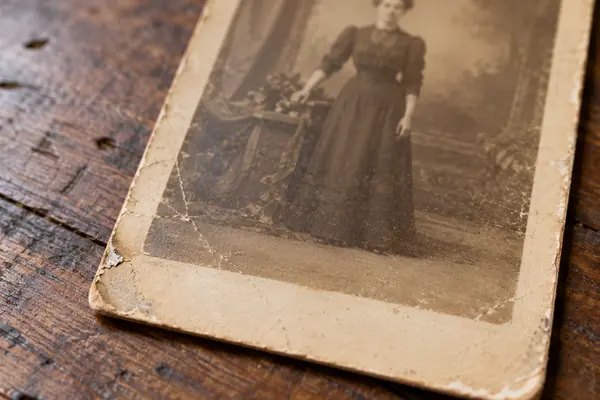
A historian writing in History Ireland puts it plainly: monochrome photos do not contain colour information that can be restored. Colourising software learns its tones from modern photographs.
Check the process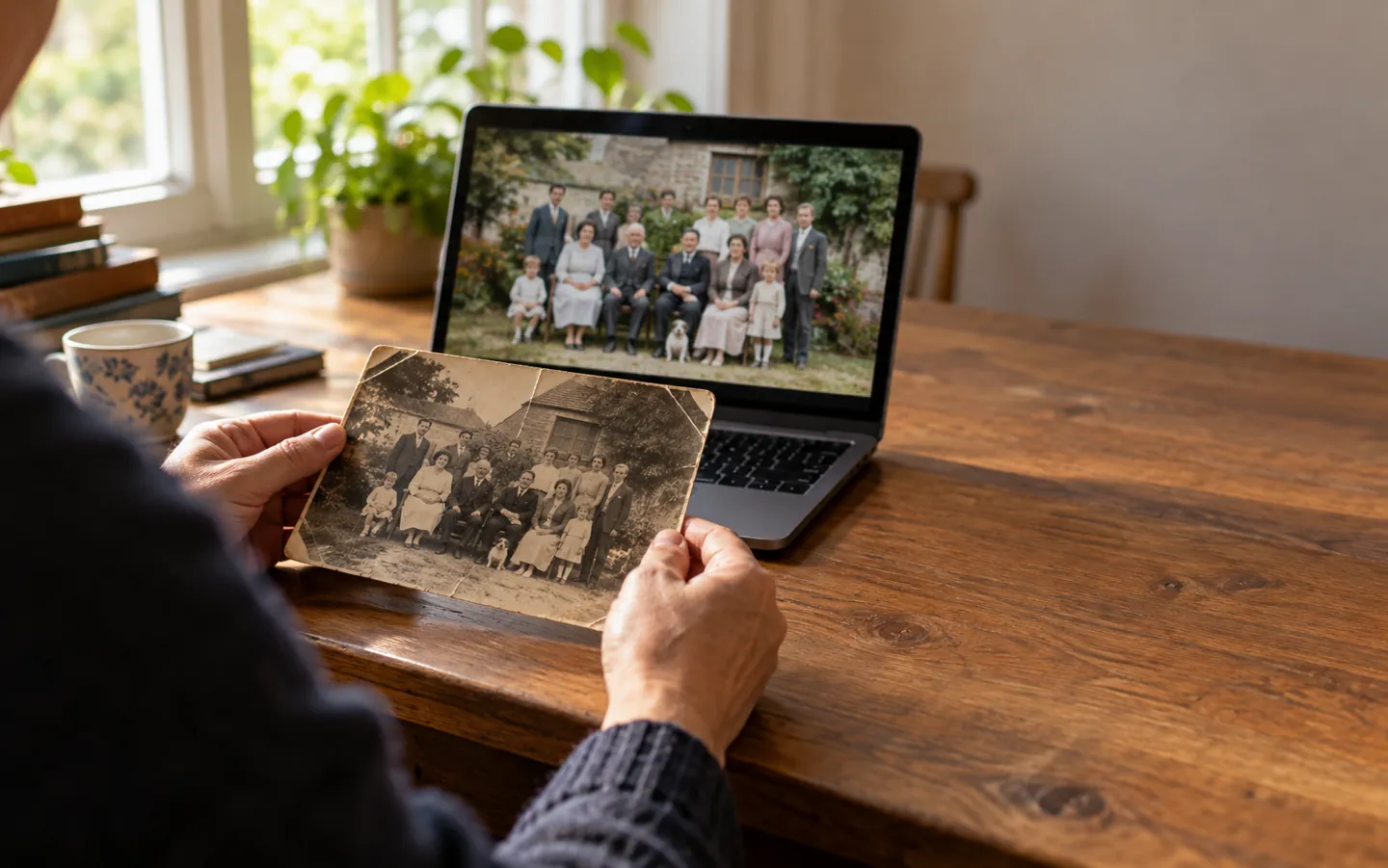
 aifunphotos
WHAT THE RESEARCH SAYS
PLAUSIBLE is not the same as true
AI can colourise a great-grandparent's portrait in seconds.
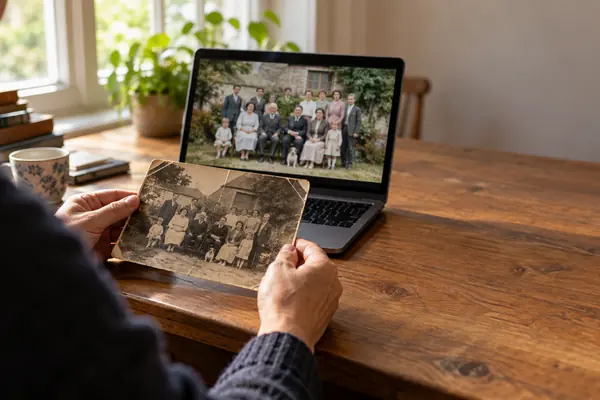
It is fun, and often moving. But an old monochrome print holds no record of colour, so the software paints in what is plausible, learned from modern photos. Here is what is guessed, and how to keep the real thing.
Updated
Check a photoTHE SHORT ANSWER
AI edits add things that were not recorded.
Three things worth knowing before you share one.
COLOUR
A historian writing in History Ireland puts it plainly: monochrome photos do not contain colour information that can be restored. Colourising software learns its tones from modern photographs.
Check the processFACES
Face restoration research such as GFP-GAN uses what faces generally look like, learned by a face model, to fill in detail a blurry original never captured.
See the researchORIGINALS
The Library of Congress advises keeping the highest-quality version of an important photo and at least two copies, stored in different places.
How to do itWHAT DID THE CAMERA SEE?
Early photographic materials did not respond to every colour. Pick a type of emulsion to see how much colour detail was lost before any software ever saw the picture. The bar shows how much is missing.
Older processes record some colours as the same grey, so a colouriser has even less to go on than it seems.
TWO NUMBERS WORTH KNOWING
One figure on how believable AI colour can be,
one on what it learned from.
32%
Viewers fooled by the AI colour version
In a 'colorization Turing test', people chose between an AI-coloured and a real colour photo. The 2016 method of Zhang, Isola and Efros fooled them on 32% of trials.
COLOURISATION TEST · 2016
1m+
Colour images the system learned from
The same system was trained on over a million colour images. Its job, in the authors' words, is to produce a plausible colour version: a likely answer, not a recorded one.
TRAINING DATA · 2016
The researchers describe colourisation as 'clearly underconstrained': many different colourings fit the same grey photo, so the software has to choose one.
FOUR HABITS TO TRY
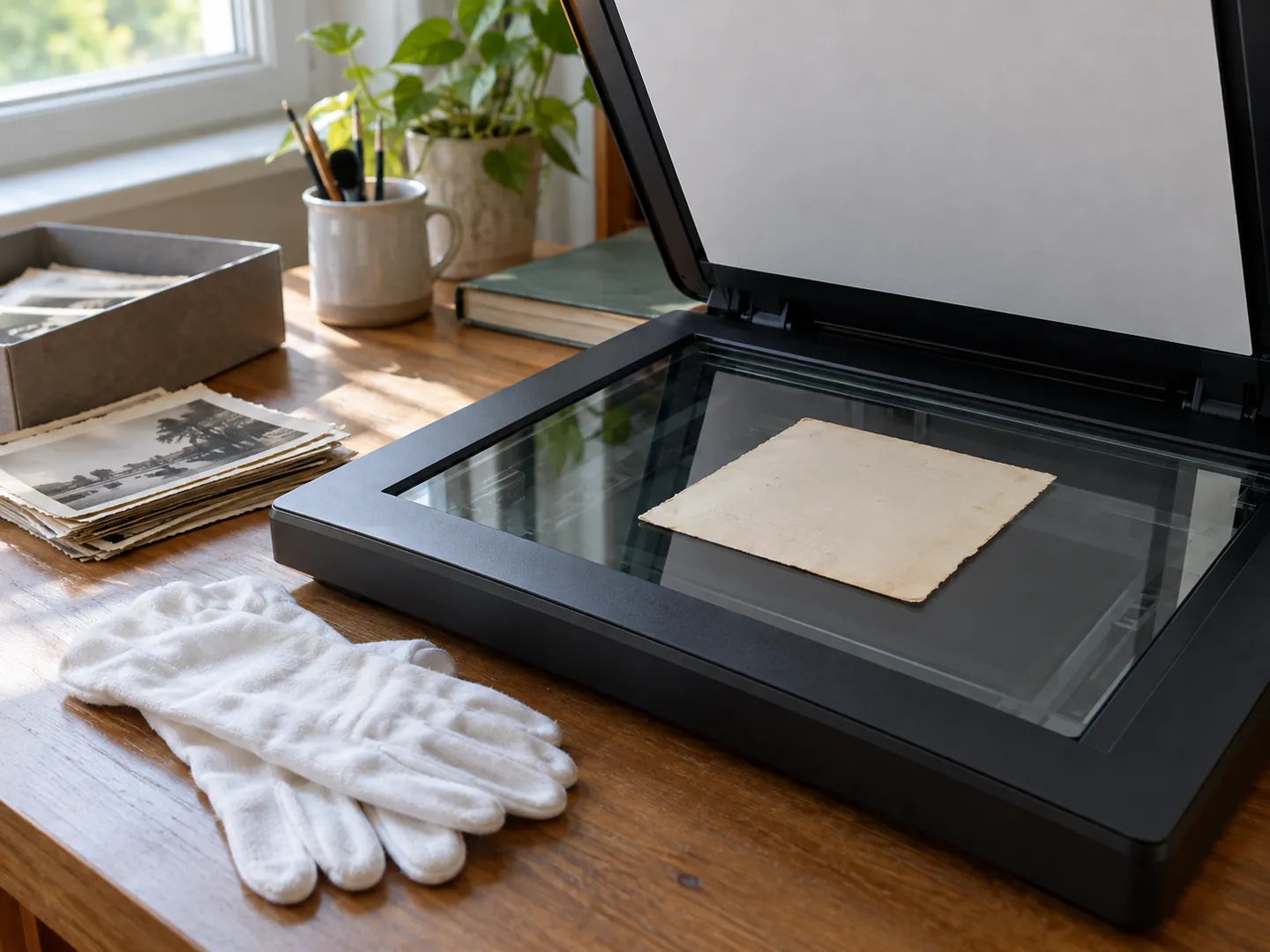
None of this stops you enjoying an AI-coloured family picture. It just makes sure the real photograph survives, and that anyone who sees the new version knows what it is.
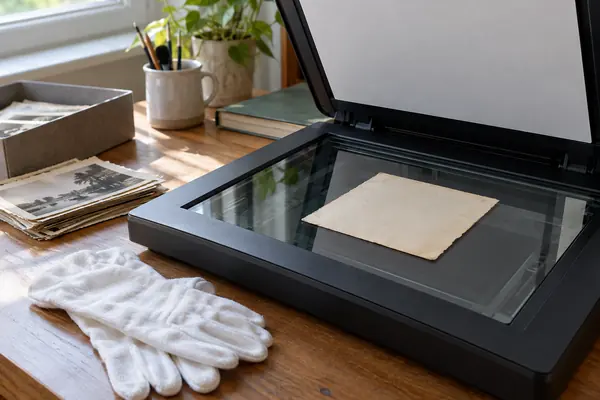
The Library of Congress asks its own staff to wear gloves when handling photographs and to avoid feeder scanners for them.
Keep the untouched, highest-quality scan as your master file and run AI tools on a copy.
Give files descriptive names and tag the people in them, as the Library of Congress suggests, so the story stays with the picture.
When you share an edited version, say that the colour and any sharpened faces were added by software.
WHY IT MATTERS
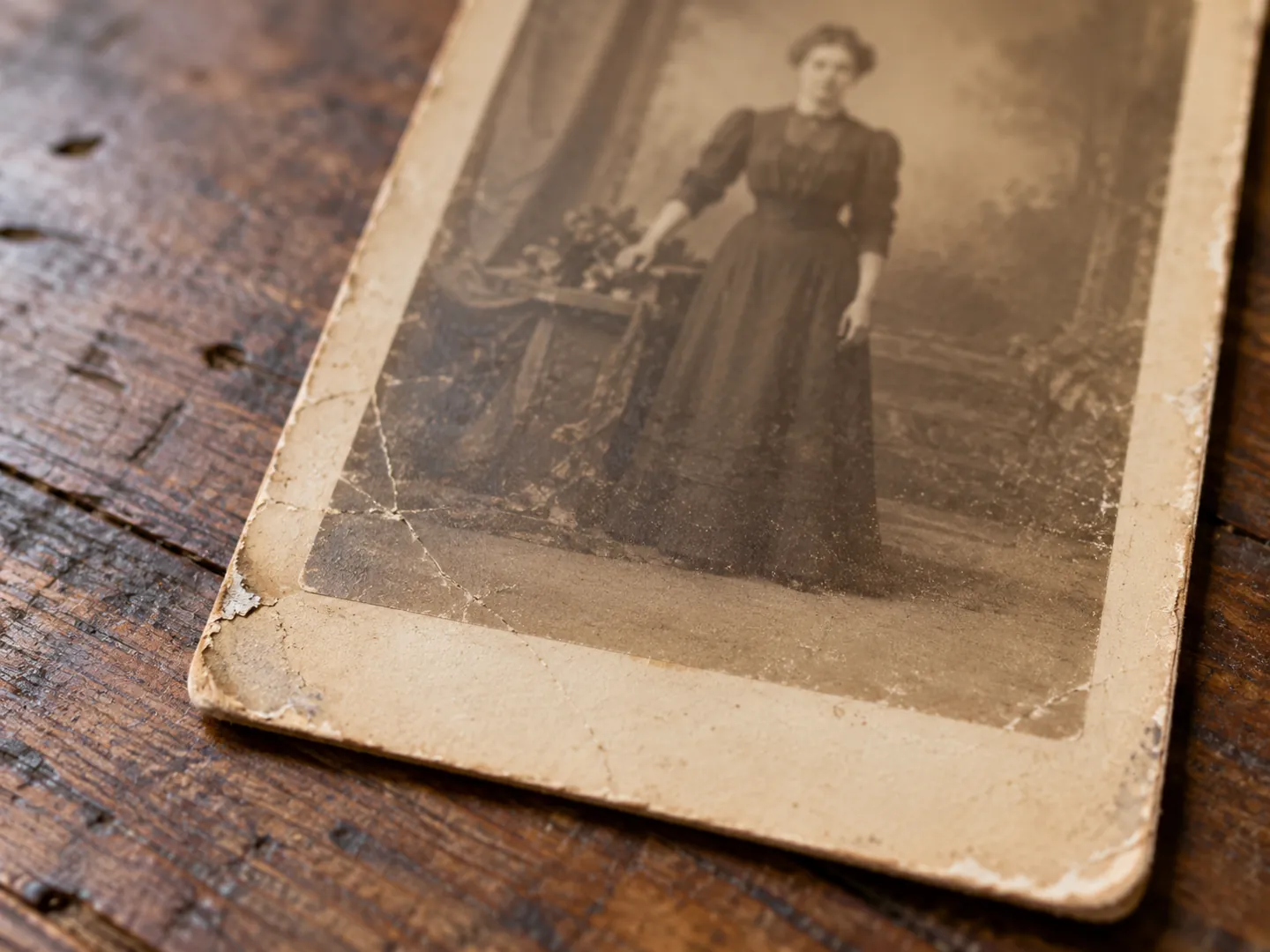
A historian of visual culture notes that colourised images quickly lose any explanation of what artistic licence was taken. Shared online, a guessed colour can start to look like fact.
The same writer points out that colourised versions often smooth skin and add a 'vintage' palette. The original print, with its own process and flaws, is the actual historical record.
Questions
No. A monochrome photo records light and dark, not colour. Colourising software chooses colours that are plausible, based on what it learned from modern colour photographs.
Early processes did not see every colour. Collodion plates responded only to blue light, and orthochromatic materials missed red, so reds could print darker than expected.
It is a reconstruction. Face restoration methods such as GFP-GAN fill in detail using a model of what faces generally look like, so fine features may be invented rather than recovered.
In a 2016 study, people shown an AI-coloured and a real colour photo picked the AI version as real on 32% of trials. Methods have moved on since, but they still guess.
Keep the highest-quality untouched version, make at least two copies in different places and check them at least once a year, as the Library of Congress suggests.
Sources
ABOUT THIS NAME
aifunphotos.com is part of the DoodleSale portfolio. It isn't in an auction right now, but you can ask about leasing it.